Succulents are not suitable for leopard geckos to eat. These reptiles are insectivorous and, thus, do not eat fruits and vegetables. However, while succulents are not ideal for eating, some are good for enriching the leopard gecko’s life by providing it with climbing areas and making the enclosure resemble its natural habitat.
Leopard geckos only feed on insects, so they do not eat succulents or other plants. Even so, a hungry leopard gecko might bite some plants, which might cause stomach problems or even death; thus, not all succulents are safe for their habitat. To ensure you make a good choice, here are the best succulents safe for a leopard gecko enclosure.
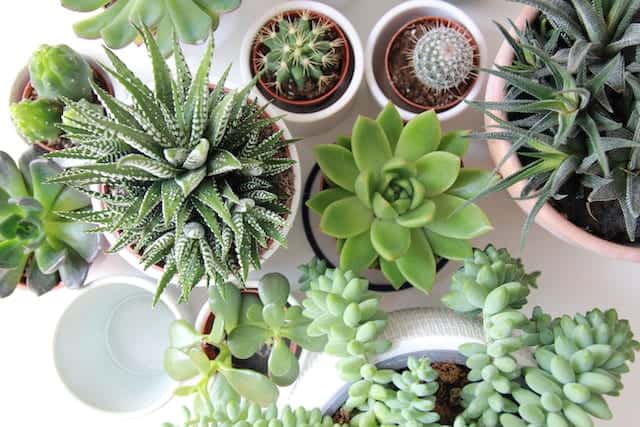
Features of the Best Succulents for Your Leopard Geckos
There are several types of succulents to choose from in the environment, but not all are good for these reptiles. Here are a few features to consider making the best choice.
Non-poisonous
Poisonous plants can be fatal to a leopard gecko if it eats them. While a healthy leopard gecko will not bite a plant, it might do so if it has been starving for days. These reptiles can survive for about 14 days without food, so they would only eat a plant under extreme circumstances.
Poisonous plants can make any animal, including herbivores, sick or even cause death. As such, you should not put toxic plants in the reptile’s enclosure just in case it tries to bite.
Thorny Plants
Thorns can inflict severe injuries on the leopard gecko. In addition, wounds might expose the animal to infections; severe wounds take a long time to heal.
Irritant Plants
While some plants might be safe and not thorny, they would still not be a suitable choice for the leopard gecko’s habitat if they can irritate its skin on touch.
In addition, irritant plants can stress the lizard and make it not explore the enclosure, thus reducing its quality of life.
Easy to Maintain
Leopard gecko pets are easy to care for, and so should the accessories you add to the enclosure. The best succulents should require minimal maintenance in terms of trimming, pruning, and watering.
In addition, you should only choose those that naturally occur in the same environment. Otherwise, when you combine some different succulents with competing needs, one succulent might kill the other, especially if they do not use water equally.
Small Size
Leopard geckos are tiny reptiles, and so are their enclosures, especially compared to other reptiles. As such, the best succulents should remain small to ensure that they do not occupy much space in the enclosure.
Even when the plant stays small, it is good to routinely prune them to keep the gecko safe and avoid the harm that dried parts might inflict.
Free From Chemicals
It is best to choose succulents that are organically grown or from your kitchen garden if you do not use chemicals.
The Best Succulents for Your Leopard Geckos
Now that we know what to look for in safe succulents for leopard geckos, here are some of the best you can consider adding to their enclosure. Besides being safe for the lizard, they are also ideal for the terrarium’s conditions.
1. Aloes
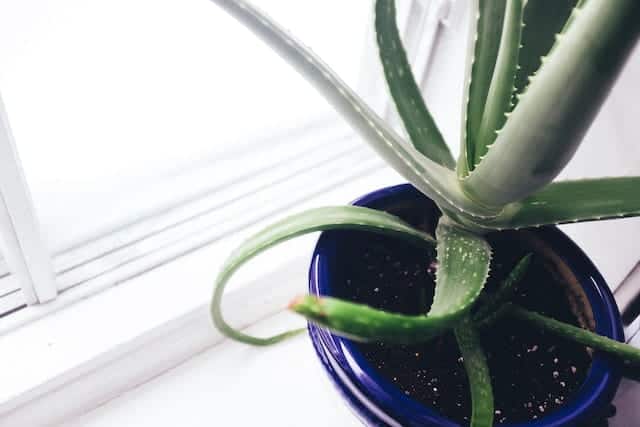
There are several hundred species of aloe plants, but aloe vera is the most common. They are stem-less, with thick and succulent leaves with spikes on the edges.
Some aloes, such as the sunset aloe, are colorful plants that you can make your gecko’s terrarium more vibrant. In addition, there is another beautiful aloe plant with light green leaves and pink spikes on the edges.
Since aloes survive in dry areas such as the leopard gecko’s native environment, they are a perfect choice for recreating the lizard’s natural habitat.
The terrariums temperature and lighting needs of the leopard gecko also support this plant’s growth. Besides, aloes grow slowly and require minimal maintenance.
2. Christmas cactus
This Christmas cactus is also known as the holiday or Easter cactus. Although referred to as cactus, it does not have spines like the typical cactus, which can harm the pet. Instead, it has smooth green leaves and blooms, white, red, or pink flowers, depending on the species. The colors add vibrancy to the leopard gecko habitat.
In addition, it is pretty sturdy, so your leopard gecko is less likely to fall if it climbs. However, unlike aloes, Christmas cacti grow big; thus, you will need to replace them with a smaller one at some point. Gladly, you only need to clip a leaf and plant it, so you don’t need to buy another.
Place them on the terrarium’s cooler side to ensure the Christmas cacti grow well since the high basking temperatures will not facilitate optimal growth.
Whether a beginner or an experienced gardener, you will have an easy time when taking care of this non-toxic succulent in the leopard gecko’s enclosure.
3. Elephant Bush
This colorful succulent plant has short pink stems with small succulent reddish-green leaves. It can reach between 6 and 16 feet tall if allowed to grow freely. However, it is worth knowing that you will need to trim the plant frequently to prevent it from outgrowing the terrarium.
If you don’t mind regular trimming, you will enjoy the beauty this succulent adds to the tank. Other than trimming, the elephant bush is a low-maintenance plant that requires watering only twice each month. It can also survive in hotter temperatures of up to 380 C, which make them ideal for your gecko’s basking spot.
4. Air Plants
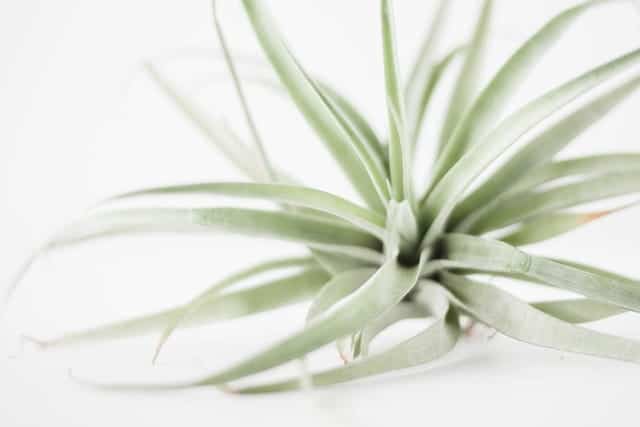
Also known as Tillandsia, air plants cling onto items such as bark, wood, or other plants to grow. The plant is available in more than 600 species and grows slowly; thus, it will stay in the tank long before you need to replace it.
As with most other succulents here, an air plant doesn’t require frequent watering, making it a good choice if you have a busy schedule.
5. Echeveria
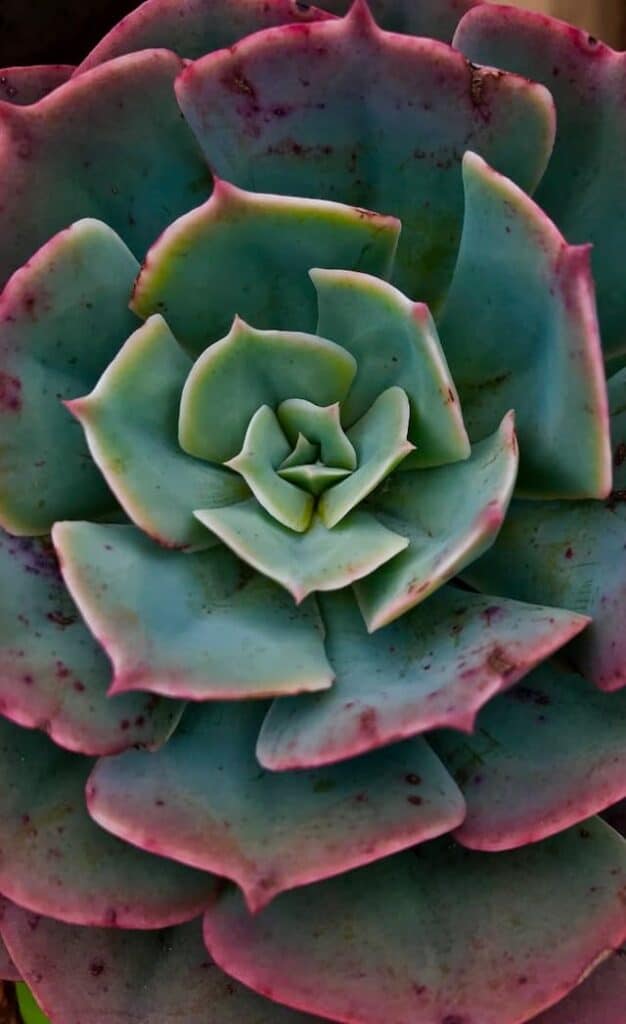
This is another short succulent plant with pointed leaves. It comes in several colors, but mostly the leaves are whitish-green, with the sharp edges being blue, pink, or purple. It also blooms yellow or pink flowers.
The leaves have a waxy cuticle to prevent excessive water loss, and they perform pretty well in dry regions with little moisture making them a perfect choice for the leopard gecko’s enclosure.
If you are on a tight budget, these succulents are inexpensive, as you only need to pick the leaves and propagate them into new plants. However, be on the lookout since they can spread quickly, occupying a significant part of the tank, which might not be suitable.
6. Zebra Cactus
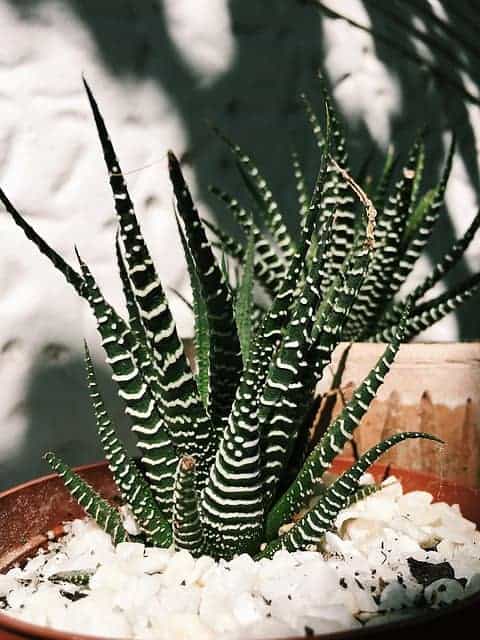
This plant resembles an aloe but with a deeper green color. In addition, it has white stripes on the lower side of the leaves resembling those of a zebra hence the name. Unlike aloe plants, these cacti have slower growth and are more suited to dry conditions.
7. Sedge Grass
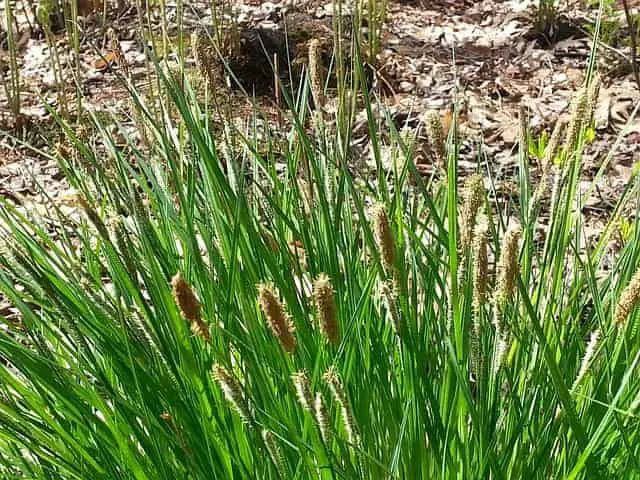
Sedge grass forms dense clusters, which makes it an excellent addition to the terrarium as a hiding spot. It has bright green colors and looks like what naturally occurs in a leopard gecko’s arid grassland wild environment.
While some sedge grass species grow tall, choosing those that remain small is best to ensure they fit in the small leopard gecko tank. In addition, select a species that does well in low humidity and high warmth, as these are the conditions in the reptile’s captive habitat.
8. Cinnamon Basil
Although this is a herb, it is an excellent choice for scenting a bioactive gecko’s enclosure. As such, it only makes a good choice when used in a bioactive tank, or else it will die off. It makes an attractive tank thanks to its deep green leaves and purple flowers.
9. Peperomias

Also known as radiator plants, these succulents are available in various species ranging from textured to smooth leaves. There are plenty of colors to choose from, such as purple, red, gray, and green.
One of the critical advantages of peperomias is that all their species grow very slowly and require low maintenance. They grow well in dry environments, making them another excellent choice for a leopard gecko’s enclosure.
10. Others
Besides the above, other succulents safe for leopard geckos’ enclosures include living stones, hoyas, sempervivum, mistletoe cactus, and ponytail palms. They differ in features, such as some are capable of flowering even during the cold seasons, while others would require a tall enclosure.
Succulents to Avoid for Leopard Geckos
While most cacti are safe for your leopard gecko, there are some succulents you should keep away from as they might be toxic. Below are the major ones.
1. Snake Plant
This is one of the most tolerant flowering succulents. It can survive in low light and moisture conditions, making it suitable for use in a pet enclosure. Snake plant, however, contains some toxins that can cause illnesses like indigestion and diarrhea in geckos when consumed.
Even if you know that your leopard gecko will not eat plants, it is best to remain safe and opt for other succulent alternatives. Besides, snake plants grow tall, which might not be suitable for leopard gecko tanks which are often relatively small.
2. Widow’s Thrill
Green leaves with pink flowers characterize this succulent. In addition, it can survive in extremely high temperatures and tolerate long dry periods. While these features make it an excellent choice for a leopard gecko’s tank, the widow’s thrill is, unfortunately, toxic to most reptiles, including geckos.
If ingested, its common symptoms include digestive and heart problems if consumed in large quantities.
3. Pencil Cactus
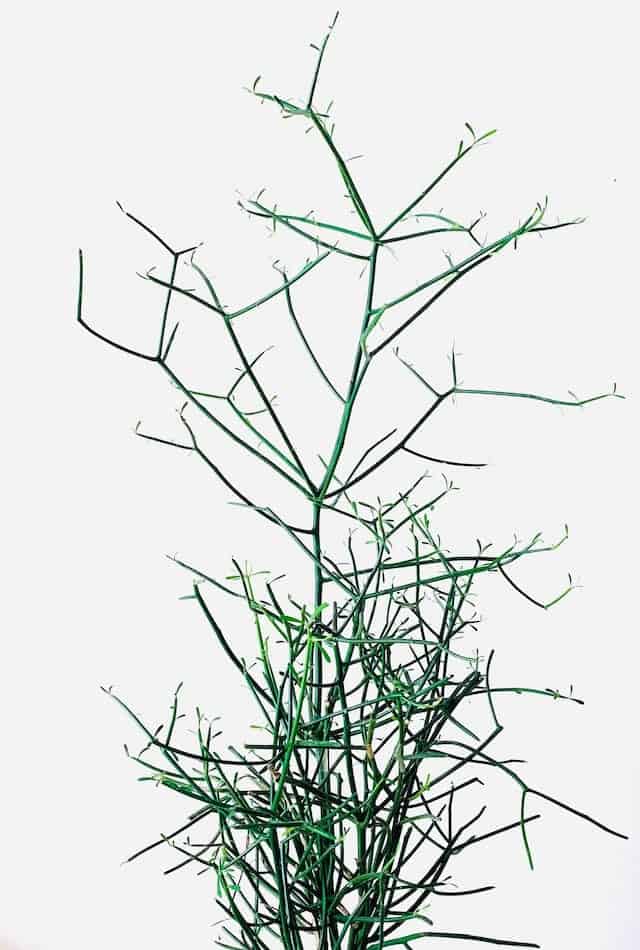
As the name suggests, this unique cactus species has long pencil-thin stems with tiny leaves at the tip of the stem. A single plant will sprout several branches reaching over 6 feet tall.
When the stems are injured, as a defense mechanism, they produce a poisonous sap that is dangerous to most animals, including humans and reptiles.
The sap can cause stomach irritation, inflammation, and indigestion. As a leopard gecko owner, it is advisable that you stay clear of this plant since handling it together with your gecko may result in contamination of your gecko’s food.
Frequently Asked Questions
Do Leopard Geckos Eat Plants?
No, leopard geckos only eat insects. They are insectivorous and lack the adaptation to eat or digest plants. If you see your leopard gecko eating plants, then it is likely to be starving. Even so, a leopard gecko will only attempt to do so, and then stop after a brief stint.
What Is Poisonous To Leopard Geckos?
Leopard geckos only eat insects, but not all are safe. For example, glowing bugs such as fireflies and lightning bugs have harmful chemicals and are toxic to the reptile. You should also avoid dead and wild insects, even if they usually are not poisonous, since they might carry parasites and other toxins from the environment.
Are Leopard Geckos Good Pets?
Leopard geckos are hardy, require minimal maintenance, and hardly grow big. If you are looking for a reptile pet with these features, you will not go wrong with a leopard gecko. In addition, they can be cute and social depending on the species you choose.