Whether you’re a new pet owner who wants to know whether a beardie is sick because of coughing or a reptile enthusiast who wants to understand the reasons behind the bearded dragon coughs, Below is a full guide about bearded dragon coughing and the reasons behind it.
Do Bearded Dragon Cough?
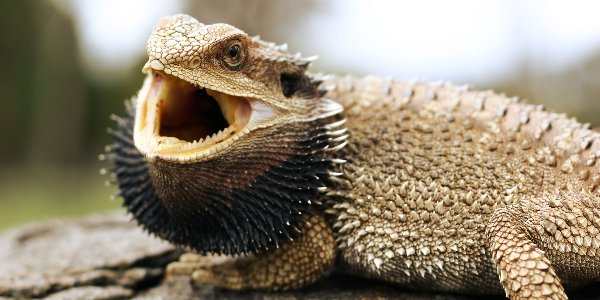
Probably, the first question that most people want to ask is whether bearded dragons cough. The truth of the matter is that beardies don’t cough.
They usually produce a specific type of noise likened to a cough. But technically, the creatures can’t cough because they don’t have a diaphragm.
What happens is that beardies have salt glands in their nasal cavity responsible for absorbing fluids from the food. These lizards often produce a sound similar to a cough or sneeze when trying to clear the salt from the nasal cavity.
A bearded dragon’s cough doesn’t sound like the standard cough from other animals. It sounds more like a meager squeak with a puff of air.
Why Is My Bearded Dragon Coughing?
Hearing your bearded dragon make an unusual cough-like sound can be disturbing and worrying. This is why bearded dragon owners must understand the causes of coughs in bearded dragons.
Let’s look at some of the reasons your beardie may start coughing. Common reasons why your bearded dragon might be coughing include:
1. Respiratory Infection
Bearded dragons are highly prone to respiratory infections such as pneumonia. These infections occur if the enclosure is too humid, cold, or poorly ventilated. Respiratory infections can also be brought about by stress, overcrowding, bad diet, or parasites.
During the preliminary stages of respiratory infection, your bearded dragon will display various signs and symptoms.
Common Signs of Respiratory Infections
If your bearded dragon has a respiratory infection, it’ll display these signs:
- Difficulties in breathing
- Coughing and unusual wheezes
- Loss of appetite
- Mucous discharge from mouth or nose
- Lethargy
- Sudden weight loss
- Throat puffing
- Snorting
If the ailment goes untreated, the causative pathogens can enter the bloodstream and cause septicemia, a potentially fatal condition.
How Is Respiratory Infection Diagnosed?
If you suspect your bearded dragon has contracted a respiratory infection, the best course of action is to visit a reptile vet. Only a professional vet can provide the correct diagnosis and offer treatments.
When you book an appointment with your local reptile vet, they’ll diagnose the respiratory infection by looking at the lizard’s history, clinical signs, and physical examinations.
To evaluate the severity of the condition and identify the microorganism responsible for the ailment, vets may need to do fecal exams, blood work, X-rays, or take a bacterial sample from the respiratory tract for further testing.
How To Treat Respiratory Infection in Bearded Dragons?
Before the vet teats your bearded dragon, they’ll advise you to provide your lizard with optimal humidity and temperature in the cage.
They’ll also discourage the use of substrates that produce dust. Usually, vets treat bearded dragons by administering antibiotics orally, by inhalation, or through injection.
The medication dosage will depend on the size of your bearded dragon. They can prescribe medication to administer daily for a week or month, depending on the severity of the issue.
2. Substrate Issues
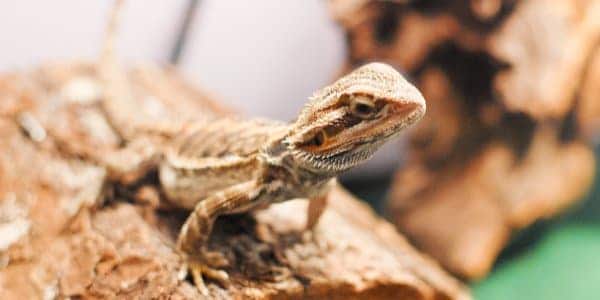
The substrate used in a bearded dragon’s enclosure can also cause coughing in bearded dragons. Loose substrates such as sands and various types of shells can cause different problems to lizards.
For starters, loose substrates emit dust particles that can cause respiratory discomfort when inhaled. This can lead to constant coughing, wheezing, or snorting. Secondly, beardies may ingest sand particles and risk getting choked. They’ll try to remove the sand particles stuck in their throat by coughing.
Lastly, loose substrates can cause gut impaction, which can be fatal if not addressed immediately. Most people prefer sand because it gives beardies a near-natural appeal, is easy to install and is relatively affordable. However, it poses various dangers that might harm your bearded dragon.
Substrates such as reptile mats, ceramic tiles, and newspapers are highly recommended. They help reduce the incidence of impaction and choking.
3. Incorrect Humidity
The other reason your bearded dragon may start coughing is when there’s too much or too low humidity in its enclosure. When the humidity level is higher, bearded dragons will inhale air that’s too moist and risk contracting respiratory infections.
Conversely, when the humidity levels are below optimal, the beardie becomes dehydrated, and the air it inhales becomes too dry, making the lizard start coughing. Typically, the bearded dragon terrarium’s humidity should be maintained at around 20-40%.
Bearded dragon keepers should install a hygrometer to measure the humidity inside the tank. The accessory will allow you to monitor the moisture, ensuring it doesn’t fall below 20% or above 40%.
4. Incorrect Temperature
Your beardie may start coughing if it’s too hot or too cold. Temperature and humidity must be kept at optimal ranges. When the temperature inside the cage drops, it may initiate an increase in moisture.
This will make the enclosure cold and wet, creating the perfect environment for pathogenic microorganisms that may cause respiratory infections to grow.
Your bearded dragon’s enclosure should have a basking area and a basking zone. The two regions should have a heat gradient of up to 20 °F. Usually, the basking area temperatures should be around 95°F to 105°F, and 75°F to 85°F on the cooler side.
5. Stress
Like other reptiles, bearded dragons are highly susceptible to stress. Even the slightest thing, such as low temperature or sudden noise, can make these creatures anxious. The sad part is that stress can easily compromise their immune system making them prone to infections.
When your bearded dragon is stressed, it can easily contract diseases, including respiratory infections such as pneumonia which can lead to coughing. Some of the things that make your bearded dragon anxious include:
- A change in the environment
- Loud noise
- Dirty enclosure
- Over-handling
- The presence of other pets such as cats and dogs near its cage
- Incorrect temperature and humidity
- Introduction of new décor accessories in the tank
If you want your beardie to stay healthy and vibrant, ensure that you eliminate stressors inside or outside the cage.
6. Poor Diet
Giving your bearded dragons an incorrect diet can also lead to coughs. Beardies should savor foods that cater to all their nutritional needs.
75% of an adult bearded dragon’s diet should be vegetables and fruits, while the remaining 25% should be insects. Poor quality food leaves your bearded dragon malnourished and easily prone to diseases.
7. Parasites
Although parasites aren’t always associated with coughing, they can cause various ailments. Bearded dragons in poorly maintained environments are likely to be infested with parasites.
If you notice parasites on your beardie’s skin or in its fecal matter, don’t hesitate to visit a reptile vet for comprehensive diagnosis and treatment.
Why Is My Beardie Coughing After Eating?
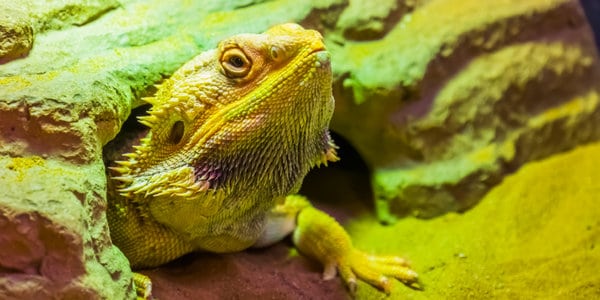
Your bearded dragon may start to cough after eating because of two things. First, like humans, bearded dragons may also aspirate during feeding. They will begin coughing to try and dislodge the food stuck in their air pipe. Usually, this type of cough is accompanied by a puff of air.
The other reason your beardies may cough right after eating is to try and get out food stuck in their throats. It’s not unusual for bearded dragons to get choked by the food while eating. Coughing help lizards dislodge anything stuck in the throat.
My Bearded Dragon is Coughing after Drinking Water: Should I Be Worried?
Just like food, water can also lead to aspiration in bearded dragons. As the bearded dragon drinks water, some of it might get into the air ducts causing it to cough. Although some beardies don’t drink water from the bowl, they can hydrate when bathed. Therefore, you might see them coughing after giving them a warm bath.
If your bearded dragon suffers dehydration because it doesn’t drink from the bowl, you can help it hydrate in other ways. The easiest way is to bathe it. You can also increase humidity levels in the cage through misting.
Can Humans Spread a Cold to Bearded Dragons and Vice Versa?
There’s no way that humans can spread a cold to a lizard. Primarily, only animals from the same species can transmit viral diseases to each other. Viruses are usually species-specific, targeting only animals from the same category. However, some exceptions, such as rabies, can affect all warm-blooded creatures.
Conclusion
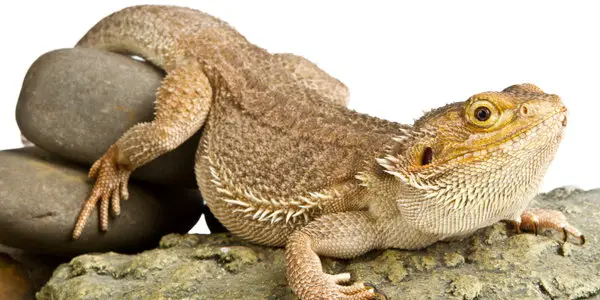
A simple cough from your lizards is not something that should raise a lot of concern. It might be caused by water or food aspiration. However, if the cough persists for several days, it might indicate that your bearded dragon is ailing from a respiratory infection.
You must visit a reptile vet immediately if the latter is the case. More importantly, you need to ensure that the temperatures and humidity are optimal. Also, avoid using loose substrates, keep the terrarium clean and hygienic and provide your lizards with a proper diet based on age.