Although bearded dragons have become some of the most fancied reptile pets, they sometimes exude behaviors or display features that most pet owners find confusing. It’s always recommended that you keep your eye on your bearded dragon’s behaviors to know when they have a health complication.
Still, some behaviors, signs, and physical characteristics remain a mystery even to individuals who have owned bearded dragons for years. One of the bearded dragons’ features that not many people know about is a fat neck. What does it mean when a bearded dragon has a fat neck? Is it something that should get me worried?
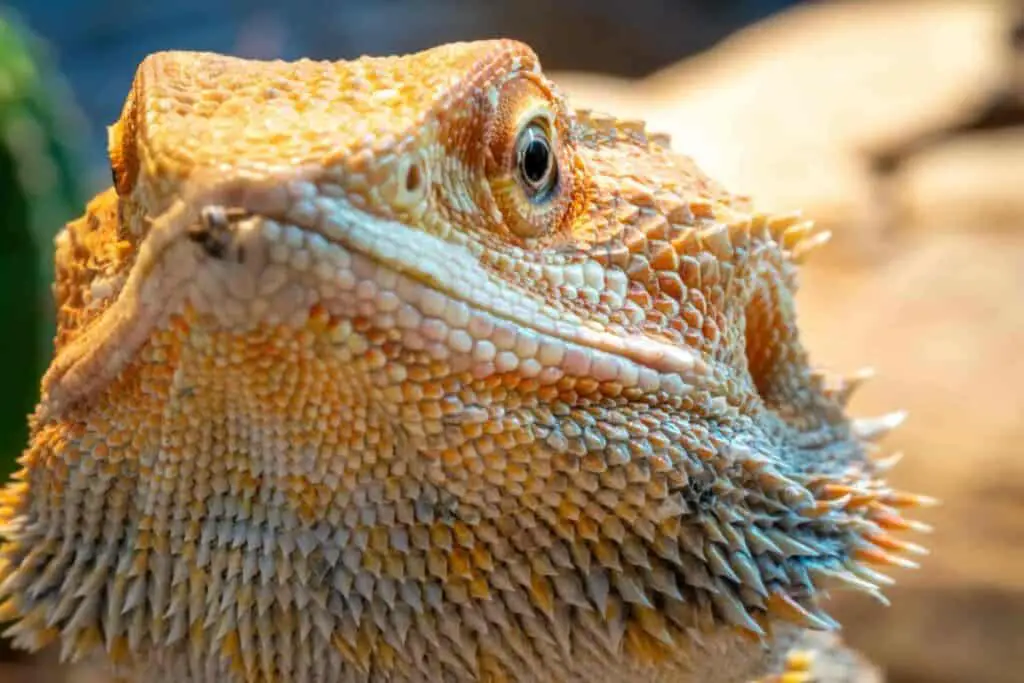
Essentially, bearded dragons may fatten their necks temporarily when in danger. When aggrieved or threatened, one of their defense mechanisms is to puff up their beards to appear more prominent. However, there are other times when a fat neck indicates that your beardie suffers a health issue.
Continue reading if you want to understand why your bearded dragon has a fat neck and what to do if it’s a sign of a health complication.
6 Reasons Why Your Bearded Dragons Have a Fat Neck
The Neck is a Fat Storage Area
Like human beings’ fat repository areas are in the hips and bellies; the neck is one of the primary areas where bearded dragons store their fats. When bearded dragons have excess fat in their bodies, it’s stored around the neck region.
Conversely, herpetologists also claim that beardies can store food in the neck after eating. This explains why these creatures can ingest so much food at a go. Bearded dragons can consume between 30 to 40 crickets in one serving.
Although we expect feeder insects to go straight into the stomach when beardies savor them, most are stored in the neck region and only move down to the gut when they’re ready for digestion.
Reaction to Being Threatened
When bearded dragons face imminent danger from predators, they respond by puffing up their beards, making their neck region look more prominent. The puffing up of the neck is temporary and will subside once your bearded dragon calms down or no longer feels in danger.
This reaction is temporary and shouldn’t raise too much concern. If you notice that your bearded dragon tries to fatten its neck whenever you try to approach them, this is a sign that they perceive you as a predator. You’ll need to handle your bearded dragon often to create a bond and build trust.
Other signs that might indicate that your beardie feels intimidated and threatened include hissing, opening the mouth, stiffening the body, and darkening the beard.
The Bearded Dragon is Overweight
As mentioned earlier, bearded dragons store fat in the neck region. Therefore, they usually boast a lot of fat in that region. However, if the bearded dragon has too much fat in its body, it will still be deposited in this area, making it look oversized and saggy.
If you notice that your lizard’s neck is insalubriously bigger than usual, this is an indication that your beardie is overweight and needs to cut back the excess fat. Having too much fat around the neck can lead to various health conditions ranging from breathing issues to obesity and other detrimental illnesses.
Abscess or Infection
Your bearded dragon may also have a fat neck due to an abscess or infection. Inspect whether your bearded dragon’s neck is proportionate to the other body parts. If your beardie has a fat neck and a skinny belly, it may have caught an infection or is suffering from an abscess.
It’s crucial that you gently rub the neck with your hand to inspect deformities or lumps. Abscess manifests in the form of lumps and deformities. Conversely, if the bearded dragon’s neck seems coarse, stiff, or hard to touch, this may point to an infection.
At times, a fat neck in bearded dragons is caused by bacteria, parasites, and other contaminants. If you inspect your beardie and discover that the fat neck is caused by infection and abscess, you should immediately seek help from a professional reptile vet.
Action should be taken faster if the bearded dragon displays other signs like diarrhea, lethargy, loss of appetite, and lack of mobility.
Lack of Proper Supplementation and inadequate UVB Lighting
Calcium and UVB lighting are two essential elements for bearded dragons. These components play a pivotal role in growth and development.
When beardies don’t get an adequate supply of UVB and calcium, they develop bone deformities that may affect various body parts, including the neck. When feeding your lizards, ensure that you dust the feeder insects and veggies.
Conversely, you should provide the recommended UVB lighting in the bearded dragon’s enclosure. Failure to do so, beardies might have deformities, making various body parts, such as the neck, look more prominent than usual.
Ensure adequate UVB light and proper calcium supplementation if you want your beardie to experience substantial growth and development.
If deficiencies have already caused the damage has already been done, you can talk to your veterinarian officer about how you can correct the issue.
Age
Age has also been attributed to saggy necks in bearded dragons. As bearded dragons get older, the skin around their neck starts to sag and might sometime seem more prominent than in younger lizards. If you notice sagging neck skin in your adult bearded dragon, this isn’t something you should be worried about.
Additionally, a saggy neck might be caused by a sudden loss of weight in bearded dragons. With the neck being one of the primary areas for fat storage in bearded dragons, sudden weight loss may leave the lizard neck flabby.
How to Ensure that Your Bearded Dragon Has a Normal Neck Size?
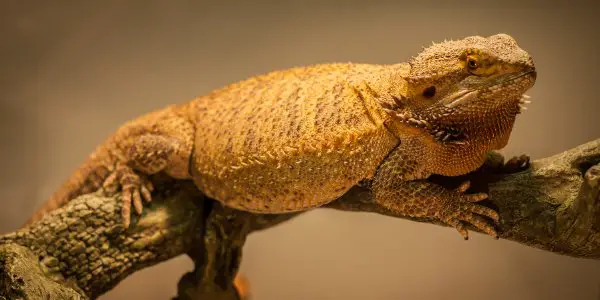
As discussed earlier, a fat neck doesn’t always indicate a health complication. Sometimes, it’s normal for your bearded dragon to have a fat neck. However, the neck may appear more prominent because it’s a fat repository area or when the lizard puffs it up.
A fat neck can also indicate a severe condition affecting your bearded dragon’s overall health and well-being. Here are tips to help your bearded dragon retain its correct neck size.
1. Bond With and Handle Your Bearded Dragons Regularly
One of the reasons why bearded dragons fatten and puff up their necks is when they feel threatened by predators. Before beardies get familiar with their keepers, they often puff up their beards when they see them approaching.
If your beardies are puffing up and darkening their beards, they’re yet to get comfortable, especially when you’re around. To make them ease up and get comfortable, you should try to bond with them slowly. Try to feed them from your hand, handle them regularly, and get them out of their enclosures regularly.
Moreover, you should provide the proper setup and a balanced diet. Also, keep other pets such as dogs and cats that might threaten them away from their terrariums.
2. Help Your Bearded Dragon Lose Weight
For bearded dragons with a fat neck because of being overweight, you need to help them cut back the excess fat. Keepers must regulate bearded dragon’s eating habits and diet. Follow these tips to help beardies cut down excess fats.
- Change the food you’re giving your beardies: Usually, bearded dragons become overweight because of eating food with high-fat content. Your lizards may be getting fat because of high-fat feeders such as mealworms, silkworms, and superworms, or foods n sugar content, such as fruits. Start including more leafy greens into the diet.
- Slow down the speed of eating: The faster your lizard eats, the higher the chances of overeating. Use techniques that help slow down eating speed, such as using a large bowl, feeding live insects that need to be hunted, and hanging bunches of edible greens inside the enclosure.
- Let your bearded dragon brumate: During the brumation process, your bearded dragon will use its fat reserves, including the fat around the neck.
- Reduce the quantity of food: You should also regulate the amount of food your beardie consumes except the greens.
- Add enrichments: The lizard will likely gain weight faster if a bearded dragon’s enclosure lacks enrichment and furniture to keep it active and engaged. A proper enclosure should allow your bearded dragon to exercise.
3. Provide Adequate UVB Lighting and Calcium Supplementation
UVB light provides vitamin D, which helps in calcium absorption. Without proper lighting and supplementation, bearded dragons may suffer from poor bone development. Dusting food with calcium powder and changing UVB lamps regularly helps beardies stay in tip-top shape.
4. Visit Your Local Vet
If an abscess and infection lead to a fat neck, ensure that you visit your local reptile vet immediately. They will diagnose and recommend the options to deal with the ailments.
Final Verdict
Are you still wondering whether a fat neck in a bearded dragon is normal? It’s typically nothing worth your peace of mind if it’s not due to ailment. Bearded dragons usually store fat in their necks, and they can temporarily puff them up when threatened.
However, if the neck is overly chubby, this might indicate that your lizard is overweight and needs to burn the excess fat. Conversely, if the neck has lumps, looks uneven, or isn’t proportionate with the rest of the body, this might be a health issue that needs to be checked by a professional vet.
We hope this piece taught you a new thing about bearded dragons’ care. However, feel free to scour through our site if you want to learn more.