When you’re out in the great outdoors, there are many potential dangers to be aware of, such as snakes. These reptiles can appear when you least expect them, even in water. However, it’s usually easy to misidentify the animal you’re looking at.
Copperheads use venom for hunting, while Florida Banded and Northern Water Snakes swallow their prey whole. Moreover, the two water snake species are found in aquatic and semi-aquatic environments. Copperheads have a wider range of habitats, including forests.
Yet, there’s more to know about Copperheads, Florida Banded Water, and Northern Water Snakes than just their hunting styles and habitat. Keep reading to learn more about this trio of fascinating snake species.
Key Differences Between Copperhead, Florida Water, and Northern Water Snakes
Like all animals, each of the three reptile species discussed in this article shares various similarities and differences, as seen in the table below.
| Copperhead Snake | Florida Banded Water Snake | Northern Water Snake | |
| Length | 1.7-3.1 ft(0.5-0.9 m) | 2-3.5 ft(0.6 – 1.1 m) | 2.2-4.4 ft(0.7-1.3 m) |
| Coloration and Pattern | Orange-ish or orange-ish red heads, brown, tan, red-is-brown bodies;Hourglass-shaped bands, Splots | Dull yellow, gray, tan, red, grayish-brown, or dark greenish on body, dark brown or black bands/strips | Browns, tans, reddish-brown bodies, white, gray, or yellow underside; round ‘banded’ pattern |
| Physical Appearance | Triangular head, slit pupils, thick body, facial pits; young have yellow tips on tail | Rounded head, heavy body, circular pupils; Dark stripe from eye to edge of jaw | Flat, rounded head (distinct from the neck), round pupils |
| Habitat | North America; forests, woodlands, mountains, near streams, canyons, etc. | North America; freshwater (ponds, lakes, swamps, canals, etc.) | North America; rivers, lakes, ponds, etc. |
| Diet | Small mammals/ rodents, small birds, small amphibians | Small amphibians, fish | Fish, amphibians, small mammals/ rodents |
| Method of Attack | Venom; ambush | Bite; hunt | Bite; ambush |
| Defensive Actions | Bite, musk | Bite, musk, vibrate tail against dead leaves to make a buzzing sound | Bite, musk, flee into water, flatten head |
| Other Distinguishing Characteristics | Fang size is related to body size, fangs replaced over the years, can swim | Strong swimmer, give live birth instead of laying eggs | Strong bite, aggressive reputation, strong swimmer |
Next, let’s look at each category and go over this information in more detail.
Length
Copperhead snakes are the shortest of the trio, maxing out at barely three feet (0.9 meters). Usually, the Northern Water Snake is the largest, although the record for the biggest Florida Banded Water Snake is a respectable five feet (1.5 meters).
Coloration and Pattern
Copperheads, as the name suggested, have orange-ish or reddish-orange heads without any patterns. The rest of the snake will have darker patterns over lighter tans and orangish reds. The patterns and colors will vary between the five subspecies, but if you see a snake with copperish ‘hourglass’ markings (with the middle section of the hourglass crossing over the snake’s back), then you’re looking at a Copperhead.
Florida Banded Water Snakes (also known as Southern Water Snakes) also have a variety of colors, from dull yellow to reddish to tan to gray-green, but they always have dark bands breaking up the background color. These thick bands are usually black but can also be a dark brown, though the latter bands will still be outlined in black.
As with the previous two species, Northern Water Snakes (or Common Water Snakes) can be found in various colors, from tans to reddish depending on the area. They have lightly colored undersides. A Northern Water Snake’s pattern also includes dark bands but is a bit more splotchy or rounded than the Florida Banded Water Snake.
As Northern Water Snakes age, their ‘background’ colors will blur, meaning an old enough snake of this species may look entirely dark, with the banded pattern no longer visible. Because of this, juvenile snakes are much more colorful than adults.
Physical Appearance
Copperheads have the general venomous snake look, with triangular heads, as well as facial pits between their slit-shaped-pupil eyes and nose. Their fangs, which they use to inject venom into their prey, grow with age in relation to their body size. Until they are three to four years old, young copperheads have yellow-tipped tails they use to mimic caterpillar movements to lure prey closer.
Florida Banded Water Snakes and Northern Water Snakes both have circular pupils and more rounded heads than a Copperhead. The Florida Banded Water Snakes always have a dark strip from their eye to the corner of their jaw. And while some snakes only have patterns on their bodies and plain heads, the heads of Northern Water Snakes look the same as the rest of them.
While reading the descriptions of these three snakes, you may have noticed that the venomous snake has slit pupils while the two non-venomous species have rounded ones. Despite this being a general pattern, it is not guaranteed. Pupil shape appears to be more related to hunting style than the presence of venom, as shown in this article in New Scientist.
Habitat
Copperheads, Florida Banded Water, and Northern Water Snakes are all found in North America. The venomous Copperhead can be found in a wide range of habitats where they can hide in the vegetation or under rocks – mountains, deciduous forests (‘deciduous’ means that the trees lose their leaves in the fall), woodlands, and more.
They can also adapt to human-made environments, such as sawdust piles in construction sites and suburban yards.
As suggested in their names, the other two snakes live in areas near water. The Florida Banded Water Snake’s range is predominantly in the state it’s named after, although it can be found further west. These snakes are content with any slow, shallow source of freshwater, and it’s very uncommon to see one on land.
The Northern Water Snake prefers slow or still water and lives close to sources of liquid. They may also hang around human-made structures near water, like bridge supports. Within their range, they are especially prevalent in southeast Canada and the northeast United States.
Diet
Copperhead Snakes can prey on small rodents and birds as full-grow adults, ambushing their prey, but juveniles rely on smaller creatures, such as insects, that they can lurk with their yellow-tipped tails. They will prey on amphibians at all life stages. Copperheads can be found hunting during the day in the spring and fall, switching to the cooler evening in summer.
Florida Banded Water Snakes also have differences between juvenile and adult diets – until they are six months old, this species will only eat fish. After that, they add amphibians to their list. These reptiles can be out during the day but mostly hunt at night.
The diet of the Northern Water Snake is very similar to that of the Florida Banded, with the addition of also eating small mammals like rodents. In another similarity, Northern Water Snakes are also most active at night.
Method of Attack
Neither the Florida Banded nor the Northern Water Snakes are constrictors, so after catching their prey, they simply swallow it whole. Both bites will hurt, but the Northern Water Snake’s attack will cause a lot of bleeding due to the anticoagulant in the predator’s.
The Copperhead, however, does have venom, and if its ambushed prey is too large to swallow, it will release it and wait for the venom to finish the animal off. As mentioned before, younger Copperheads rely more on luring their small prey instead of a regular ambush.
Copperhead Venom
The Copperhead Snake’s venom is composed primarily of hemotoxins, which can severely damage the tissue around the bite and attack its prey’s respiratory and circulatory systems.
The snake rarely injects enough venom to kill a human. However, you should still seek immediate medical attention if a Copperhead Snake has bitten you. This even applies to hatchlings, as they have the same level of venom as adults.
Copperheads, out of all of the U.S.’s venomous snake species, are responsible for the highest number of bites per year. Yet, because the snake typically does not inject a large amount of its venom, and the toxin itself is relatively mild, fatalities caused by this species are rare. For more information on a Copperhead Snake’s venom, read this page on A-Z Animals.
Any mentions of venomous snakes will bring up the question of how to positively identify them. While many physical traits are shared among venomous species, there are also exceptions, as this article by McGill’s Office for Science and Society explains. To be on the safe side – unless you are one hundred percent positive about the species – you should seek medical help after being bitten by any snake.
Defensive Actions
‘Musk’ is a whiteish, oily defensive substance that all three of the snakes in this article will release when threatened or scared. This substance has a horrible smell – though the particulars depend on the species – and is produced as a by-product of their digestive system and released from special scent glands under the snake’s tail. Northern Water Snakes may mix in feces to add to the potency of the smell.
This trio of snakes also relies on striking out and biting as a form of self-defense, although the Florida Banded Water Snake will try to flee into the water first. Copperheads, however, won’t give you much of a warning before they bite.
In addition to trying to slither away, Florida Banded Water Snakes had another audible warning sign. They can vibrate the end of their tails against dry or dead leaves to produce a buzzing sound, similar to how a Rat Snake will vibrate its tail tip against dry vegetation to mimic a Rattlesnake’s rattle.
Finally, the Northern Water Snake has a strong bite and will strike multiple times leaving injuries that won’t clot easily as a result of the above-mentioned anticoagulant. This species is also known to be aggressive, going after humans to defend its territory.
Other Distinguishing Characteristics
As with all animals, there’s always more to learn about what makes a species unique, whether that’s related to physical traits or behavioral ones. Snakes are no different, and the Copperhead, Florida Banded Water, and Northern Water Snakes all have more characteristics than covered here that make them, them,
For example, a Copperhead Snake’s fangs are not only proportional to its body length, but the fangs will fall out like a human’s baby teeth. The fangs are replaced five to seven times over the reptile’s life. This species is also somewhat social in the winter, hibernating in groups.
Florida Banded Water Snakes, instead of laying eggs like most other snake species, give live birth to fully-formed baby snakes. When swimming, they stay mostly submerged instead of skimming the surface.
And third, the Northern Water Snakes, while preferring slow water, will use fast-moving water to get around their environment. Moreover, these snakes, already found in multiple colors, can look different when they are in the water, as their banded patterns can be harder to see.
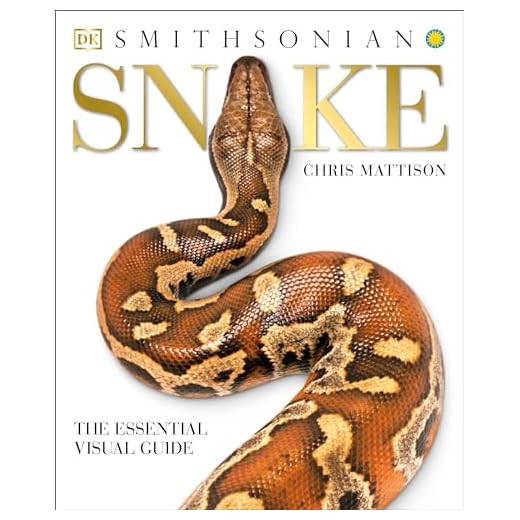
If that handful of information isn’t enough for you, then consider looking into a snake guidebook. You can find guides tailored to your region of the world or go with a more broad option, such as the book Snake: The Essential Visual Guide, available on Amazon. The book covers all you want to know about these limbless reptiles and contains breathtaking photography of many types of snakes.
Final Thoughts
Snakes live all over the world, and each species is unique. Some are beautiful but venomous, like the Copperhead, while others live in environments you may not expect to typically hold reptiles, like the Florida Banded and Northern Water Snakes. No matter where you live, you want to learn how to recognize your local wild animals, including snake species for both your own and the animal’s safety.