Leopard geckos are interesting creatures whose colors can change as they age. It’s not uncommon for leopard geckos to become brighter or darker in color as they mature. While the age-related color changes in leopard geckos don’t follow any particular pattern, it’s interesting to see how their colors can alter over time.
Some leopard gecko owners have reported that their pet’s colors changed dramatically after reaching a certain age, while others have said that their leopard gecko’s colors remained fairly consistent throughout its life.
There are a few factors that could contribute to the variability in color changes among leopard geckos, including genetics and diet.
Stay put as we explore more about leopard geckos altering their color.

Should I Expect My Leopard Gecko to Change Color as It Ages?
Although it’s not something you should be looking forward to, a change in color in leopard geckos because of age will happen to some geckos and not others.
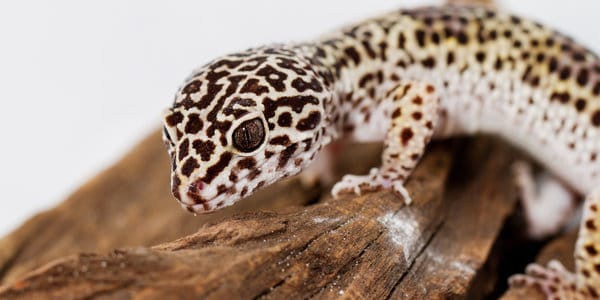
The leopard gecko’s vibrant coloration and intricate patterns have made it one of the instantly recognizable animals. Most geckos have a yellow, orange, or red undertone when they’re born.
Their hues can deepen and become more striking with age. It’s been observed that some leopard geckos even change even their pattern with age.
The color change usually happens when the lizard is young. Once your juvenile leopard gecko is over the 12-month mark, it will experience dramatic color change and might not look like it did as a juvenile.
A leopard gecko’s coloration can change as it gets older for a few different reasons. The kind of diet it consumes is one of the reasons why it can experience color change. A diet with many carotenoids can give a leopard gecko’s skin color more vibrancy.
The temperature of the leopard gecko’s cage can also affect its color. Geckos living in high-temperature cages tend to have more vibrant colors than those housed in low-temperature tanks.
Another possible explanation as to why leopard gecko’s skin pigments get more concentrated with age is increased melanin. The gecko’s body may produce additional melanin, the pigment responsible for the skin’s color, as the animal ages.
As the gecko’s body undergoes a metamorphosis from its juvenile to adult form, it experiences increased melanin production, which makes its skin darker.
4 Reasons Why Your Leopard Gecko May Change its Color?
There are various reasons why your scaly friend may experience color change. They include:
1. Low Temperature in the Surroundings
Like other reptiles, leopard geckos use their surroundings to control their body temperature. Leopard geckos can darken their appearance if they become cold.
This allows them to soak up more heat from the environment. Leopard geckos may become darker when the terrarium is too cold or if they escape from the cage and are now unable to find a warm place to stay.
Ensure that the vivarium your leopard gecko lives in is always at the correct temperature. The optimal daytime temperature for the warm side should be around 83–90 degrees Fahrenheit, while the cooler side is 70–77 degrees Fahrenheit.
Maintaining a temperature gradient in the tank; one side should be warm, and the other should be cool. This way, your leopard gecko can find a more comfortable space when the temperature becomes unbearable on one side.
2. Stress
Leopard geckos can sometimes change color when they are stressed. Stress can be caused by various factors, including improper temperatures, substrate, lighting, tank size, diet, handling, etc.
If you think something is stressing your scaly reptile, you must determine what it is and make adjustments.
If your buddy’s tank is too hot or too cold, it will be hard for them to control their body temperature. Your lizard can also become moody and anxious if you alter its diet abruptly. Any new diet should be introduced gradually.
3. Shedding
Another reason why your leopard may be experiencing color change is when it’s about to shed. There is no predetermined timetable for the shedding process in leopard geckos. They shed their skin several times throughout the year, which may frequently happen in their younger years.
When shedding the skin, leopard geckos typically become pale or gray. However, the color of some geckos may change to a dark brown at some point.
Take note if your gecko is hiding more often. This is a common sign that it is preparing to shed its skin.
If your gecko has recently shed, but you can still see some brown or black patches, you need to examine all of its body parts for retained skin.
The areas most likely to have retained shed skin include the tips of the limbs, the tail, or the head. If skin fails to come off, it may impede blood flow and lead to serious complications.
4. Lack of Proper Nutrition
We’ve discussed the importance of switching your leopard gecko’s diet, but we failed to mention that lack of adequate nourishment can lead to leopard geckos’ color change.
Like humans, leopard geckos need nutrients like calcium, vitamin D3, and others. If your scaly friend isn’t getting enough calcium, its skin will have a darker yellow coloration.
To avoid calcium deficiency in your lizard, sprinkle some calcium powder on its food or around the tank for it to lick.
Leopard geckos use the UV light in their tank to produce vitamin D3, which is more important to them than the other forms of lighting. If you want to keep them warm, put a heating rug under their tank.
Wrapping It Up
So, will your leopard gecko change its color as it ages? Yes, it’s highly possible that as your leopard gecko matures, you may notice a darkening or lightening of its skin color. This is completely normal; some may even develop darker colors once fully grown.
It’s crucial to note that your leopard geckos can become more vibrant or change color because of other things.
These include stress, unfavorable temperature, shedding, and poor nutrition. Therefore, always keep an eye on your spotted buddy to ensure that you notice any change in its color.