Leopard geckos have fascinating tails. It measures almost the same length and width as the rest of the body and is at times thicker than the stomach area. One of the significant habits of leopard geckos is wagging their tails. Even so, is it normal, and why do they do so? We talk about this in our guide today.
Why is my leopard gecko wagging its tail?
Tail wagging in leopard geckos is a means of communication by the lizard. Depending on how the gecko wags its tail, the habit might show excitement, arousal, aggression, stress, and defensiveness.
4 Different Ways of Leopard Gecko Tail Wagging and Their Meaning
There are various unique ways in which leopard geckos wag their tails. The difference in these is often the shape of the tail wags and their speed. Carefully examining the nature of the tail wag can help you understand the intention or emotion that the leopard gecko is communicating.
Below are different kinds of leopard gecko tail wags to help you understand your pet reptile better and provide it with adequate care.
1. Hunting Tail Wagging
Another type of tail wagging is shown when they hunt their prey. Usually geckos get excited when hunting their food. Therefore, they show excitement by wagging their tail. This type of tail wagging usually starts with a very slow tail wagging then it stops for a moment and then it becomes very fast.
2. Defensive Tail Wagging
Leopard geckos use defensive tail wagging to distract competition, attackers, or bullies. When faced by attackers, this distraction enables the leopard gecko to escape. Although it might seem enjoyable, defensive tail wagging stresses the leopard gecko and can end up in tail dropping if prolonged.
The gecko’s belly remains near the ground as it raises its head while staying motionless. Such a posture enables it to remain alert and aware of the threat as it directly faces it.
In addition, tail wagging helps shift the predator’s attention to the tail and not the lizard’s body, upon which the leopard gecko might drop its tail and escape.
It is also possible for your leopard gecko to defensively tail wag when uncomfortable in captivity, such as when it is unfamiliar with you or uncomfortable with your touch or presence.
Other stress factors in the enclosure include competing for food, intimidation by bigger geckos, insufficient hiding spaces, and poor lighting and temperature.
To avoid defensive tail wagging, take time to bond with the leopard gecko, provide a suitable habitat and living conditions, avoid putting two males together and allow the lizard time to settle down in its new environment, your home. You should also avoid holding the gecko when it is defensively tail-wagging.

3. Slow Tail Wagging
It is probably the most common gesture and often occurs as leopard geckos acknowledge the presence of other leopard geckos in their habitat. The lizard slowly moves the tail back and forth while approaching others. They might also lower their bellies to the ground and wag their tail slowly. It is a deliberate and thoughtful gesture.
In captivity, slow tail wagging to indicate presence might occur when you have just brought home the leopard gecko, and it is exploring and getting used to its new habitat
Besides, slow tail wagging can signify excitement, especially in the young ones when hunting or eating. During hunting, the tail wagging starts slowly but becomes fast as they approach the prey, then stops right before they attack the target. The leopard will also be fully alert with its eyes wide open.
Adult leopard geckos might also tail wag when hunting.
In general, slow tail wagging is never a cause for alarm and often shows that the lizard is healthy.
4. Quick Tail Wagging (Mating)
The presence of females often triggers fast tail wagging in male leopard geckos. However, unlike slow tail wagging, fast tail wagging appears like a series of tail vibrations instead of wagging. The behavior communicates the male’s interest in mating and might continue through the mating session.
You will likely experience witness mating tail wagging between January and September, which is the mating season for these lizards. Female geckos can also fast wag their tails, often as a defensive gesture when approached by a male. It indicates her unwillingness or discomfort with the male’s intention.
When approaching a female leopard gecko for mating, the male wags its tail fast to communicate its intention. The quick wagging appears like vibrations and not like the typical tail wag. If the female remains still, it is a sign of reception, and the male will climb onto the female and proceed with mating.
Mating once or twice is enough to give the female eggs for laying several clutches, and as such, mating does not need to occur after that for reproduction to happen.
As evidenced above, tail wagging can communicate a series of intentions and emotions. Take your time to study your pet and understand its tail wagging habits.
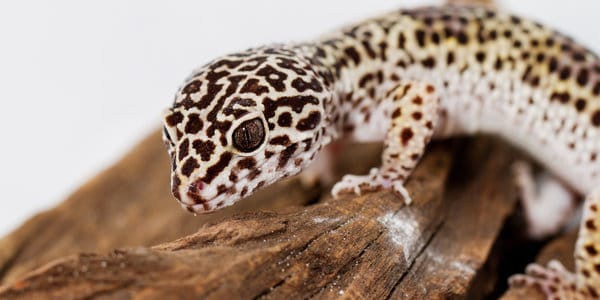
Why Is My Female Leopard Gecko Wagging Her Tail?
Female leopard geckos will wag their tails almost in all the circumstances the males do other than as an intention or acceptance of the male’s sense to court. While the male wags its tail showing the female an intention to court, the female remains still as a sign of acceptance.
If the female leopard gecko wags its tail in response to the male, it is often a sign of defensiveness, indicating that it is uncomfortable with the male. Besides this, the female will exhibit tail wagging for the above reasons.
Why Do Geckos Shake Their Tail?
These lizards shake their tails as a means of communication and response to their environment. For example, depending on how often and fast they shake the tail, they might communicate stress, intention to mate, hunger, or shedding.
While shaking the tail and body is normal, it could also indicate that the gecko is suffering from metabolic bone disease, which causes weakening and softening of bones due to low calcium absorption by the body.
Tail Dropping in Leopard Geckos
Besides tail wagging, another typical behavior associated with the tail in these reptiles is tail dropping, and it is primarily a defense mechanism. However, in some circumstances, the leopard gecko will wag its tail before dropping it.
Leos can detach their tails and leave them behind when frightened. The behavior helps them confuse the predators and escape. However, even though it helps save the lizard’s life, tail dropping is not healthy because it leads to losing a significant amount of fat in the lizard. Leopard geckos store fat in their tails which is why, when healthy, the tail measures the same width and length as the rest of the body.
Gladly, leopard geckos regrow their tails even though the process can be stressful and long. However, they hardly grow back to their initial size. Therefore, you will need to provide the lizard with a stress-free environment and proper diet to help the reptile regenerate the tail effectively. Further, you must remove substrates that may worsen the wound or cause infections.
Remove stress factors such as loud noise, excess heat, and having more than one male in the enclosure. In addition, it helps minimize the risk of your leopard gecko suffering the challenges of tail dropping.
Frequently Asked Questions
How Do I Tell If My Leopard Gecko Is Happy?
Leos show excitement through various body language, such as tail wagging, especially when eating, as a reaction to touch, moving around quickly, looking alert and bright, coming to the glass upon seeing you, and eating well, among others. The most vital thing is knowing your pet’s character to help you tell when something is not okay.
If your leopard gecko is unhappy, examine the hygiene, diet, heat and temperature settings. In case these are okay, you might need to take the pet to an exotic vet for examination since it might be sick.
Why Is My Leopard Gecko Licking Me?
Like all other lizards, leopard geckos use their tongue to know their environment and get a sense of direction. It is normal for the leopard gecko to lick you as this helps it familiarize itself with you, just as it does with things in the enclosure. Therefore, do not be alarmed; this is normal and okay.
Why Is My Leopard Gecko Staring?
Leopard geckos often express a wide-eyed stare when alert and very attentive. It is normal as the pet examines the habitat or monitors your motion to determine if there is a threat. Due to the vast number of predators these lizards have in the wild, staring is normal and a natural survival instinct.

Conclusion
Leopard geckos communicate through various body languages, and one of them is tail wagging. The slow or rapid shaking of the tail, at times back and forth, is a form of communication and could indicate defensiveness, stress, hunger, courtship, or excitement.
Take time to observe your leopard gecko and the habitat’s condition to help you understand the pet reptile better.