Turtles are considered one of the easy-to-maintain pet choices. They do not demand much care and attention. In addition, they hardly get sick, only requiring annual medical check-ups. Even so, if you are considering getting a pet turtle, it is essential to know how much it will cost you. Some turtle species live for up to 100 years, so the long-term cost of keeping one is a crucial consideration.
How much do turtles cost?
Buying a turtle will cost you between $5 and as high as $5,000. The cost primarily depends on the species, age, and where you buy the turtle. Other recurring and one-off costs include tank set-up, filtration system, food, supplements, and annual veterinary check-ups.
If you consider getting one, you can choose a tortoise or an aquatic or semi-aquatic turtle. While all are turtle species, their needs vary significantly. A tortoise would require a dry enclosure, while an aquatic or semi-aquatic turtle species would require an aquatic habitat which comes with other costs such as filtration systems. Let’s look at the actual cost of getting and keeping a pet turtle.
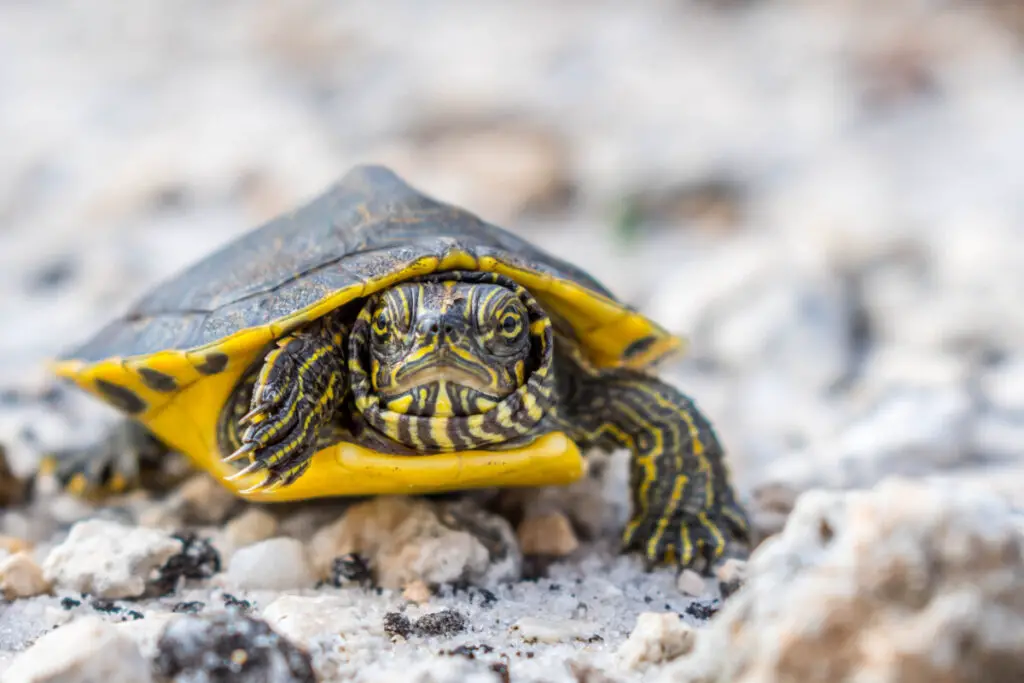
Cost of Purchasing a Turtle
It is the cost most people are concerned about. Purchasing price is one of the primary one-off costs you will incur. The cost of bringing a turtle home varies depending on the species, its age, and the seller you get it from. Some turtle species are considered exotic and thus cost more, while others are relatively affordable.
You can get a pet turtle in several ways. Legal methods include rehoming a turtle, adopting it, or purchasing one from a breeder or pet store. Below we have a brief overview of each of the methods and the indicative cost of each.
1. Rehoming
You can get a turtle free of charge if you get it from someone looking to rehome it. Turtles are considered affordable pets; thus, they do not require a rehoming fee. It is worth noting that as much as collecting a turtle from the wild is also free, it is illegal in most states.
2. Adoption
Another option of acquiring a turtle is through adoption. It is often not free, but it is cheaper than getting one from a pet store. Such turtles include the rescued ones and those whose owners took them to the shelter store when they couldn’t find a suitable candidate to rehome their beloved pet.
Various turtle shelters and some pet stores give out turtles for adoption. Such turtles come at the cost of between $10 and $50.
3. Purchase from a Pet Store or Breeder
The final option is buying a turtle from a pet store or breeder. Pet stores tend to have a wider variety of turtles to choose from than turtle rescue or shelter homes. However, breeders have the broadest range of turtle species for sale.
Breeders rear and breed these turtles for commercial purposes. As such, the turtles are well taken care of, and you are less likely to experience illness issues within the initial days. Breeders are the most expensive option. The cost of the turtle also depends on the species, with the most common turtle species costing between $50 and $100.
The Buying Cost of Common Pet Turtle Species
As we have seen above, the cost of buying a turtle will vary depending on where you get it. The turtle species is another factor that plays a significant role in the amount of money you will spend to bring your pet turtle home. Although it is a one-off cost, it still plays a part when determining the overall expense.
Here are the most common pet turtle species and the cost of buying one.
1. Red-eared Slider
The red-eared slider is the most common and popular spet turtle preference among most turtle owners. The turtle has red stripes behind each ear, hence the name. Red-eared sliders are easy to care for and, thus, make an excellent turtle choice for beginners.
Buying a youngster red-eared slider costs between $10 and $25. The price is higher for more mature ones.
2. Eastern Painted Turtles
This turtle species has a smooth carapace and unhinged plastron. You can distinguish the species from others because of the red marks on the sides of the shell. Their carapace is also unserrated on the back margin.
The purchase price of a juvenile eastern painted turtle ranges between $ 25 and $ 50.
Eastern painted turtles make a great choice for beginners because they are affordable and easy to care for. They can live for up to 60 years.
3. Eastern Mud Turtles
The yellow stripes on the head can identify the Eastern Mud Turtle. Its carapace is plain with no marks or blobs. It often has a grey color and is sometimes referred to as a common mud turtle.
The price of a young eastern mud turtle ranges between $25 and $70.
Juvenile eastern mud turtles are sensitive and fragile. They do not make a good choice for beginners and require a certain level of expertise. Mature ones are easier to take care of because they have hardened.
4. Mississippi Map Turtle
Yet another common turtle species, we have the Mississippi map turtles. It gets the name from the Mississippi river basin and the map-like contours on its shell. It is also known as a sawback turtle because of the diagonal line on the back of its carapace.
A Mississippi map turtle costs between $15 and $40.
Map turtles are not the easiest to take care of. However, if you are willing to put in the time and dedication, they require when young, you should consider getting one.
5. Western Painted Turtle
They resemble the eastern painted species, and the difference comes in their plastron appearance. Eastern painted turtle species have a white plastron while it has color in the western painted species.
A juvenile painted turtle costs between $50 and $60, but a baby can be significantly cheaper, costing as low as $15.
Western painted turtles are an excellent choice for beginners. If you are getting a juvenile female, you need to know that the turtle can grow to 10 inches. As such, you may need to get a big tank from the onset.
6. Spotted Turtle
It is a turtle species that remains small even when mature. They have many yellow spots on their dark carapace hence the name. Spotted turtles make a good choice for beginners, and as with almost all turtle species, they don’t like it when people touch them often.
The cost of a spotted turtle varies between $75 and $125.
7. Common Musk Turtle
Commonly known as Stinkpots, this is another common turtle species among pet turtle keepers. Although they have a gland that emits a foul smell, it only does so when threatened. Therefore, there is no cause for alarm.
A common musk turtle costs between $25 and $50 depending on its age and where you get it.
This turtle species is one of the easiest to maintain; even though they are fragile when younger, they harden with time. It can live for up to 50 years.
8. Ornate Box Turtle
If you need a terrestrial pet turtle, an ornate box turtle is one of the best choices you can get. It has a highly-doomed shell with yellow lines on the upper and lower shell.
Ornate box turtles cost between $30 and $50.
9. Russian Tortoise
These tortoises are pretty hardy and can survive extreme conditions. If you don’t want an aquatic turtle, consider the Russian tortoise.
You will pay between $80 and $300 to get a Russian pet tortoise. As such, these tortoises are one of the expensive turtle choices.
Russian tortoises are pretty easy to take care of and are a beginner-friendly choice. However, they can grow significantly big and have a longer lifespan than most other turtles. A Russian tortoise can live for up to 100 years.
10. Others
Other affordable turtle species include the common snapping turtles that range between $20 and $40, musk turtles ranging between $20 and $40, common wood turtles going for between $20 and $100.
Further, there exist other pet turtle species that are commonly kept but considered exotic. Some of the expensive turtle species include the Albino red-eared slider, which can cost as much as $1,000; the African spurred tortoise, which costs $600; the Indian star tortoise costing $300 – $600, and the Leopard tortoise that can cost as much as $2,500.
Cost of Setting Up a Turtle Enclosure
The set-up costs vary depending on the type and size of enclosure you choose. The accessories you choose to include also affect this cost.
Besides the aquarium, set-up cost includes a basking light, heat lamp, basking rock, filtration system, and optional substrate. Let’s have a look at each of these turtle tank set-up costs and the range you should expect to pay.
1. Aquarium
If you are getting an aquatic or semi-aquatic turtle species, you will need an aquarium as the turtle’s habitat. The size of an aquarium should effectively cater to the turtle’s needs. Experts recommend having 10 gallons for every inch length of the turtle.
For the tiny turtles, a 30 gallons aquarium will suffice. However, it would be best to consider how giant the turtle is likely to grow. Some turtle species can grow up to 14 inches in shell length. It may be helpful to buy a big enough tank from the onset to avoid a future aquarium cost.
Aquariums can be a one-off cost if you purchase one that will fully accommodate the turtle’s needs when mature.
A 30 gallons tank will cost you an average of $130, while a 40-gallon tank will cost up to $700. The cost increases with an increase in the size of the tank. Shop around to see the most affordable yet quality aquarium option for the money.
2. Outdoor Enclosure
Enclosures are ideal for terrestrial turtle species such as the Russian tortoise and ornate box turtles. These are turtles that are land-dwelling in their wild environment. You can also use the enclosure for semi-aquatic turtles to allow them time outdoors away from water.
Outdoor turtle enclosures are more affordable than aquariums. On average, they cost around $200. The cost may vary depending on the size and materials of the pen. They are often made of wood and should be dug into the ground to ensure that the turtle does not burrow out of the enclosure.
An alternative indoor enclosure for terrestrial turtles is a tortoise table. It makes a good choice for cold seasons and, at times, comes with a lid. Their prices are almost similar to those of tortoise outdoor turtle enclosures and cost a maximum of about $250.
Just as with the aquarium, it is best to buy a big tortoise house or table from the beginning to cater to its growing needs.
A tortoise will require beddings to retire at night, rest and sleep. The bedding may require monthly replacement and wil cost you between $20 and $40 a month.
3. Filtration System
A good filtration system is vital in a turtle tank. It helps keep the water in the tank clean by removing the food particles and other wastes. In addition, it prevents the accumulation of ammonia in the tank. The turtle relives itself in the water; thus, the waste would accumulate to toxic levels without a filtration system.
Most aquariums come with a filtration system and a filter. Not all filters are the same, and some are more effective than others. For instance, a fish aquarium filter will not be very effective for a turtle tank. You would need a bigger and stronger one.
The size of a filter to purchase will depend on the size of the tank. It is always best to go for one that works double the size of your tank. For instance, it is best to purchase a 100-gallon filter if you have a 50-gallon aquarium.
The bigger the filter, the more expensive it is. Aquarium filters range from $60 to about $200. It varies depending on the size and the manufacturer’s brand.
While the filtration system is a one-off cost, you need to frequently replace the filter pads to maintain the unit’s effectiveness. As such, filter pads are a recurring cost, you need to bear in mind when acquiring a pet turtle.
4. Basking Lamp
Another necessity you will need to buy is a basking lamp. Most turtle species bask frequently. You can see them basking on floating logs, protruding rocks, or even on the shores in the wild. Some also bask when stacking up on each other.
A basking lamp is a mandatory requirement for a turtle in captivity. It helps imitate its wild environment, where it gets the heat directly from the sun. Since turtles are cold-blooded, this heat lamp provides them with warmth for regulating their body temperature. Further, it helps dry their shells to prevent shell diseases.
Basking lamps are pretty affordable, and depending on the brand and where you buy them, they will cost you between $25 ad $30. The lamp can be a one-off cost if you buy a quality one. However, the heat bulbs may need replacement every few months.
5. UV Light
Turtles need UV-B and UV-A light sources. It helps improve their metabolism, breeding and stabilizes their moods. It is also crucial for the production of Vitamin D3 in these reptiles. A UV light source that provides both UV-A and UV-B is an excellent choice.
A UV lamp costs an average of $15, and the bulbs may be replaced when they are no longer working.
6. Thermostat
A turtle’s habitat needs two thermostats; one for the heat lamp and another for the water heater. However, some thermostats are multi-functional and can regulate multiple devices. In addition, some heat lamps come with a thermostat, so you will not need one. Thermostats help ensure that the water and basking temperatures are ideal for your pet turtle.
Thermostats can be expensive, and a quality one costs from $50. Such a unit should serve you for a long time.
Food Cost
Turtles’ diet varies from one species to the other. Age is another factor that influences the kind of food they eat. For instance, an omnivorous juvenile turtle will eat more meat, while an omnivorous adult turtle will consume more plants.
Herbivores and omnivores may be cheaper to feed as you can get them food items from your grocery. Carnivorous would be more expensive as they feed on almost meat entirely.
Turtles also require pellets and vitamin supplements. In addition, you can also gt treats for the turtle. Treats play a significant role in creating a bond between you and the turtle. They can also act as an encouragement for the turtle to bask.
In general, a turtle’s food and treats will cost you between $20 and $40. Commercial diets are available below $20, which is enough for a month, even for a mature pet turtle.
Annual Check-up Costs
Turtles are hardy pet species, and they hardly get sick. These reptiles also don’t need any vaccination. Even so, you should take your pet turtle for annual medical examinations. They help detect illnesses early and any vitamin deficiencies. The check-up can save your turtle’s life as these reptiles recover very slowly.
Different exotic veterinarians charge differently. On average, an annual turtle exam will cost you between $40 and $ 80.
If a turtle gets sick, the cost of treatment can be pretty high. Such unplanned expenses can be problematic, and you need to cushion yourself from the unknown. It is best to save a minimum of $100 as emergency care should the turtle get sick or sustain an injury.
Unlike pet dogs and cats that require dental care, turtles have zero dental care costs. In fact, they don’t have teeth, even though fossils indicate that ancient turtles had teeth. Instead, turtles use a beak to bite and eat.
Insurance Cost
Turtle insurance is not very common since they are quite affordable. However, if you get the rare species considered exotic, you might consider getting insurance to protect your pet turtle.
Turtle insurance ranges between $48 and $1200 per annum, depending on how rare the species is. Some insurances may allow you to pay the premiums monthly instead of annually.
Substrate Cost
Substrates in an aquarium are optional, but you can use them as beddings. Substrate choices include pebbles, gravel, sand, and topsoil. It will cost you $20 to $30 and will only require quarterly replacement.
Toys Cost
Toys are not a mandatory addition to a turtle’s habitat. However, they can help reduce boredom in your turtle’s life. They also increase exercise activities to reduce the risk of the turtle becoming obese.
Turtle toys cost around $10 and are a recurring cost. The replacement frequency depends on your preference and how soon they wear out.
Essential Tips For Buying a Pet Turtle
The overall cost of a pet turtle can vary significantly depending on how knowledgeable you are. Here are tips to guide you when buying a turtle to save you on the long-term costs you might incur.
- Purchase a turtle from a shelter home or a reputable breeder. These are the best options as the turtle is likely to be of high quality and good medical condition. Should you buy a turtle with an underlying illness, you may incur too many costs on treatment.
- Only purchase captive-bred turtles. It will keep you on the safe side of the law, as buying or selling wild-caught turtles is illegal in many places.
- Consider the size the turtle is likely to grow to when mature. It helps you choose the turtle species to go for, especially if you want a turtle that stays small. This saves you the cost of buying a different turtle in the future to replace one that grew big. In addition, it helps you decide on the tank size to buy that will accommodate the turtle when it is fully mature, thus saving you a future tank purchase cost.
- Consider the expected lifespan of the turtle. Some turtles can outlive you; thus, you should remember that a turtle is a long-term commitment. Can you afford to maintain, feed, and take care of the turtle 25 or 40 years from now? Think again.
Frequently Asked Questions
Where Can I Buy a Turtle?
Most pet turtle owners buy them from pet stores. Those who want rare species get them from breeders in different regions. These breeders often make shipping arrangements for clients who are far.
Besides buying from a pet store and a breeder, you can also get a pet turtle by adopting one from a shelter or pet store and paying a small fee. You can also rehome a turtle which is often free of charge. Do not pick turtles from the wild as it is prohibited in most states. In addition, it affects the turtle as they are not used to the captive environment.
Are Turtles Expensive Pets?
The cost of turtles varies depending on the species. Red-eared sliders are some of the most common and affordable species. It is possible to purchase one for as little as $10.
Exotic turtle species are more expensive. They are rare in pet stores are you are more likely to find them from breeders. These rare turtle species are pretty expensive and cost up to $2,500.
The total cost of owning a turtle can be steep at the beginning due to initial set-up costs. After this, the upkeep cost of a turtle is relatively lower than that of other ordinary household pets.
How Much Does a Painted Turtle Cost?
The eastern painted and western painted turtles are some of the most common pet turtle species. The prices of the former vary between $25 and $50, while that of the latter ranges between $50 and $60.
This price changes depending on whether the turtle is a baby or juvenile and where you buy one.
What Should One Know Before Buying a Pet Turtle?
It is essential to know that turtles live for very long; they might be a lifetime commitment. Turtles require hygiene environments to prevent them from contaminating illnesses. In addition, turtles can overfeed, and this affects their health. You should know the correct amount of food to feed your pet turtle to avoid obesity and shell pyramiding.
Conclusion
If you consider a low-budget pet, you should think about getting a turtle. There are affordable turtle options that you can buy from as low as $10. Initial costs of acquiring a turtle can range between $500 and $1,500
One-off costs such as buying an aquarium, filtration system, heat lamp can overwhelm you if you are on a tight budget. The good thing is that these can be one-off costs if you invest in quality items that will also cater to the turtle’s future needs. Monthly expenses such as food are relatively affordable compared to those of other pet options.
We believe that this will help you prepare a budget for getting your pet turtle. Bear in mind that although the initial costs may be high, recurring ones are affordable. Get quality equipment from the start to ensure that you don’t have to replace the equipment frequently.