Bearded dragons are fantastic pets that are exciting to watch and interact with. Their temperament, personality, and inquisitive nature make them one of the best reptiles to keep as a pet.
Although bearded dragons have been around for decades, there’s still a lot of confusion about what they should or should not eat. You might have probably heard that bearded dragons don’t eat this or that.
But then, you realize that no one seems to understand precisely what these lizards should consume. Our guide goes deeper into exploring the dried fruits and foods beardies can eat.
Bearded dragons are inherently omnivores, just like human beings. This means that they consume a combination of plant and animal-based products. Beardies feed on a variety of vegetables, fruits, and insects.
However, their eating habits change with age. Young beardies will need more protein to sustain growth and development. Therefore, they tend to be more carnivorous.
Juvenile and baby bearded dragons need a well balanced diet of 50% insects and 50% plant materials. Adult bearded dragons need to consume 25% insects and 75% vegetables and fruits.
Although most pet owners feed their bearded dragons on fresh and live foods, there’s always the question of whether or not these creatures can consume dried foods.
So, should you supplement the nutritional need of your beardie with dried food? Our guide will analyze everything about feeding your lizards with dried food, especially dried fruits.
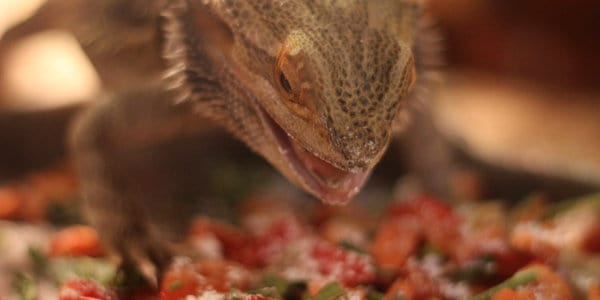
Can Bearded Dragons Eat Dried Food?
Bearded dragons can savor various dried foods, such as crickets and dubia roaches. However, these foods should only be used as treats and not as everyday staples. Essentially, beardies obtain a majority of their nutrients and moisture from food.
Unfortunately, dried foods have reduced nutritional value and lack moisture. This means that feeding your beardies with dried food will deprive them of some nutrients and lower their moisture intake. This can lead to deficiencies and also dehydration.
Therefore, dried foods should be used as treats to supplement the nutrient gap left by live insects and fresh fruits and vegetables. Bearded dragons can eat dried food, but occasionally.
More importantly, bearded dragons should be given only a sizeable amount of dried food. One disadvantage of dried delicacies is that they can cause impaction when eaten in plentiful.
Another drawback of dried foods is that they’re not sumptuous, and your bearded dragon may refuse to eat them.
What Dried Foods Can Bearded Dragons Eat?
Pet owners have various options when choosing the best-dried food for bearded dragons. Nearly all live and fresh food delicacies that beardies consume can be eaten when dried. These include:
Insects
Insects are a rich source of protein for bearded dragons. Since beardies aren’t fussy eaters, they can be fed on various insects when freeze-dried. However, as mentioned earlier, dry insects should not be a staple but a treat.
When insects are dried, their nutrient content plummets, and their moisture content goes down to zero.
Here is a table showing the nutritional value of live feeder insects
| Insect | Protein (%) | Fat (%) | Fiber (%) | Ash (%) | Moisture (%) | Calcium (mg/kg) | Phosphorous (mg/kg) |
| Mealworms | 18.7 | 14.4 | 2.5 | 0.9 | 61.9 | 169 | 2950 |
| Crickets | 15.4 | 3.3 | 2.2 | 1.1 | 77.1 | 275 | 2520 |
| Waxworms | 14.1 | 24.9 | 3.4 | o.6 | 58.6 | 243 | 1650 |
| Dubia Roaches | 23.4 | 7.2 | 2.9 | 1.2 | 65.6 | 800 | 2600 |
| Superworms | 19.7 | 17.7 | 2.7 | 1.0 | 57.9 | 177 | 2370 |
| Silkworms | 9.3 | 1.1 | 1.1 | 1.1 | 82.7 | 177 | 2370 |
NB: When insects are dried, the nutritional content decreases, and moisture content drops to zero. So, not all insects are suitable to be eaten when dried.
Vegetables and Leafy Greens
Vegetables and leafy greens make a significant part of a bearded dragon’s diet. Plant-based food provides bearded dragons with vitamins, minerals, and other essential nutrients.
The best leafy green vegetables for bearded dragons should be nutrient-dense, have high calcium content, and have low oxalates, phosphorus, and goitrogens content.
Some of the best leafy green vegetables that can be eaten raw, cooked, or dried include:
- Collard greens
- Dandelion leaves
- Cactus pad
- Mustard green
- Endive
- Turnip greens
These vegetables can be fed to bearded dragons as a staple. But for occasional treats, you can go for:
- Cabbage
- Basil
- Bok choy
- Celery leaves
- Kale
- Grape leaves
- Watercress
- Peas sprouts
- Lemongrass
Fruits
Fruits should also be included in the bearded dragon’s diet. Several fruits are safe and healthy for your lizards. Here are fruits you can feed your bearded dragon
- Apples
- Bananas
- Grapes
- Cherries
- Blueberries
- Cantaloupe
- Watermelon
- Blackberries
- Raspberries
- Pear
- Mangoes
- Fig fruits
- Dates
All these fruits can be eaten as fresh, and some can be consumed when dry.
Commercially Freeze-dried Foods
Bearded dragon owners can also feed their dragons with commercially prepared foods. They are a convenient, inexpensive, and quality source of nourishment for your lizard.
They boast all nutrients that your beardies need, including veggies, fruits, feeder insects, and other plants. They are also topped up with calcium powder and multivitamins.
While making your bearded dragon eat commercial foods can be challenging, mixing them with greens and veggies can make them palatable. However, before you buy commercially produced bearded dragon food, ensure that they:
- Don’t have artificial additives
- Nutritionally balanced
- Are made from natural ingredients
- Come from a reliable brand.
Can Bearded Dragon Eat Dried Fruits?
Yes, bearded dragons can also savor dried fruits. However, they should not be made a staple as they contain too much sugar. Essentially, fruits should be fed to beardies in small quantities.
Generally, a whole apple in a single serving is too much for a bearded dragon. The lizard should eat just a piece of the fruit, whether fresh or dry. The more colorful the fruit, the richer it’s in minerals and vitamins.
Pink, red, yellow, and red fruits are believed to have a higher concentration of essential nutrients.
Therefore, it is recommended that you pair a colored fruit with some greens to ensure that your bearded dragon gets the proper nutrients combo.
What Will Happen If My Bearded Dragon Overeats Dried Fruits?
Even when dry, fruits are still sweet. For this reason, bearded dragons may overeat them and end up having various challenges.
First, fruits are rich in calcium, and overconsumption can lead to calcium overdose. As a bearded dragon owner, you need to know the amount of dried food your bearded dragon eats per serving.
An adult bearded dragon shouldn’t eat more than three pieces per serving. When your beardies leave clumps of uneaten dried fruit in the enclosure, this might be a sign that they have overeaten.
Secondly, fruits contain too much sugar. If your bearded dragons eat too many dried fruits, they will experience a surge in blood sugar levels because fruits have high sugar content. This might lead to the bearded dragons being sluggish and less active.
Additionally, overeating dried fruits can lead to impaction. Typically, bearded dragons feed on fresh fruits and vegetables that are easy to ingest and highly digestible because of the high moisture content.
However, when the fruits are dried, they lose moisture and become harder to ingest and digest. This may lead to gut impaction, which can be fatal if not addressed immediately.
Lastly, too much-dried fruit can make lizards get full faster. When your bearded dragons overeat dried fruits, they might not want to eat again for the rest of the day.
If your beardie leaves uneaten clumps of dried fruit or starts acting slugging after consuming dried fruits, you need to visit your local vet without any delays. They will be monitored to ascertain that they’re alright.
Can Bearded Dragons Eat Dried Mangos?
Bearded dragons love fresh mangoes because of their soft texture and sweetness. Moreover, they supply many nutrients, including vitamins, folate, and potassium. However, experts warn against giving your lizards dried mangoes. These fruits have a high sugar content and can lead to serious health complications.
Although feeding your beardies some dried fruits isn’t bad, you should make sure that the fruits you give them have lower sugar content.
Therefore, you can serve your beardies dried mango, but just a piece for every serving and not more than once per month.
Can Bearded Dragons Eat Dried Cranberries?
Beardies should savor dried cranberries twice per month. Cranberries are rich in dietary fiber, copper, vitamins, and antioxidants that boost the immune system. Therefore, adding dried cranberries will be highly beneficial.
Unfortunately, like other fruits, cranberries also contain high sugar content, which can be harmful to the beardie’s health. Too much consumption of cranberries can lead to obesity in bearded dragons.
Therefore, you should monitor the amount of dried cranberries your bearded dragon eats per serving. Additionally, cranberries should be given as treats.
Can Bearded Dragons Eat Dried Apples?
Apples provide your bearded dragon with a healthy dose of vitamin C, fiber, phytochemicals, and potassium. When dried, apples make the best treats for beardies. However, they have a high sugar content and might be difficult for bearded dragons to digest.
If your beardies overeat dried apples, they risk getting obese, gut impaction, or dehydration. So, make sure that your beardies don’t consume dried apples in moderation.
Health Benefits of Dried Bearded Dragon Foods
Nutrients Preservation
Unlike most fresh vegetables and fruits that are only available during certain seasons, dried fruits can be stored and served during the year.
Although the drying process can cause a reduction in nutrient content, the foods still retain a significant amount of their nutrients. Dried foods can be used to supply essential vitamins and minerals at any time of the year.
Healthier Than Most Commercial Types
Commercially processed food usually boasts additives or preservatives that may significantly impact your bearded dragon’s health. In contrast, dried foods only have their moisture content extracted and are not preserved with additives and chemicals.
Try dried delicacies if you want to feed your bearded dragon with products closest to food in its freshest form.
Easier to Handle and Manage
The other several benefits of dried foods is that they’re easy to handle and store than fresh products and live insects. One of the most challenging jobs for many bearded dragon owners is keeping live insects.
They might require extra space and need to be fed. Conversely, storing fresh fruits and other perishable veggies can be daunting.
Unlike live insects and fresh products, dried foods don’t require sophisticated storage measures. Dried foods have a longer shelf life and don’t need the additional management and storage costs.
Disadvantages of Dried Bearded Dragon Food
Increased Risk of Impaction
One of the drawbacks of dried foods is that they can increase the risk of impaction in bearded dragons. Live and fresh insects, veggies, and fruits have high moisture content, making them smooth and easily digestible.
However, the foods become too rough and anhydrous when dried, making it impossible for bearded dragons to pass them through their digestive system.
Impaction is a serious condition that can become fatal if not addressed urgently. However, you can use a few methods to unblock the digestive system.
Giving your beardie a warm bath is the first step to relieving a lizard suffering from gut impaction. You can also try to massage the bearded dragon from the chest down.
If none of these DIY remedies help relieve the impaction, you’ll need to take your bearded dragon to the nearest reptile vet. However, it’s crucial to ensure that your bearded dragon only eats dried food as a treat and never as a staple.
Absence of Moisture
Bearded dragons don’t drink a lot of water from the watering dishes. They rely significantly on moisture from foods to stay hydrated. Leafy greens, insects, and fruits help replenish fluids in bearded dragons’ bodies.
All dried foods lack this essential component, making them an incomplete food source. Most bearded dragons aren’t interested in drinking water and rely on moisture from live and fresh foods. Feeding them dried foods becomes an inconvenience.
Overfeeding
Although dried foods can be fed to bearded dragons, they should not be used to substitute the regular diet of live insects, fresh fruits, and leafy greens. Dried foods should be used as snacks and treats that supplement the everyday diet.
For instance, when feeding your bearded dragon with leafy greens, you should add some dry fruit as a snack.
Loss of Nutritional Value
Dried foods lose part of their nutritional value during the drying process. This means that they don’t supply the same nutrients as fresh and live products. However, this is not a worrying concern as dried foods are not used as a staple but as a snack.
Training and Preparing Your Beardie to Eat Dried Fruits
Most bearded dragons dislike dried foods and fruits during the first few times of feeding them, meaning you have to train them to accept dried foods and fruits.
However, most beardies will get used to the fruits after a few days of training, but only when you train them right.
In case your beardie still dislike dried fruits even after training them for some time, you can try other types of fruits and brands.
Beardies, just like humans, have brand’s preference. Therefore, find dried fruits from a brand they like. Don’t give up, experiment with different brands. In the end, they’ll find dried fruits from one that they do like.
Preparing Your Dragon for Dried Fruits
You need to be smart when training your beardie to eat dried fruits. Make sure to know its behavior when eating, its preferred eating point, and its favorite food.
When you understand your beardie’s preference, you can easily introduce new fruits to them. Here’s what to have:
- Your beardie’s favorite food from the brand of your choice.
- A plastic tweezer to feed your pet. You can use your hand too.
- Something to scope the dried food.
Tips for Training Your Bearded Dragon to Eat Dried Fruit:
- Be patient as the process can take time.
- Introduce dried foods to your beardie at an early stage.
- Mix their favorite food with dried fruits.
It’s possible that your beardie can dislike taking dried fruits, and that’s fine. Be patient before you give up.
Final Verdict
Are you still in doubt whether your bearded dragon can eat dried fruits? We hope that this piece has provided a definitive answer. Bearded dragons can eat dried foods, including insects, veggies, and fruits.
However, since dried foods lose all the moisture and some part of their nutritional value, they should never be used as a staple. When it comes to fruits, they boast high sugar content and can lead to health complications when eaten without moderation.
You can feed your beardies dry foods, but make sure they eat them as treats. Also, remember to provide an alternative water source if you feed your lizard some dried food.